In professional and industrial diving operations, safety depends largely on the condition of the equipment used. Regulators, helmets, air supply systems, control panels, and umbilicals are critical components that must operate with absolute precision. For this reason, diving equipment maintenance must be performed by specialized, certified personnel, particularly a Dive Technician certified under IMCA standards.
In Mexico, where many diving operations are related to the offshore oil industry, proper equipment maintenance is not merely a recommendation: it is an operational and safety necessity.
Why Is Diving Equipment Maintenance So Important?
Professional diving equipment operates under extreme conditions of pressure, humidity, salinity, and continuous use. Over time, these factors cause wear on critical components such as valves, seals, regulators, and high-pressure connections.
Proper maintenance makes it possible to:
- Ensure the correct supply of breathing gas
- Detect faults before they become hazards
- Extend the service life of equipment
- Comply with international safety standards
- Reduce operational risks in underwater work
When equipment is not properly maintained, the risk of regulator failures, air leaks, pressure problems, or communication system failures increases, potentially seriously compromising diver safety.
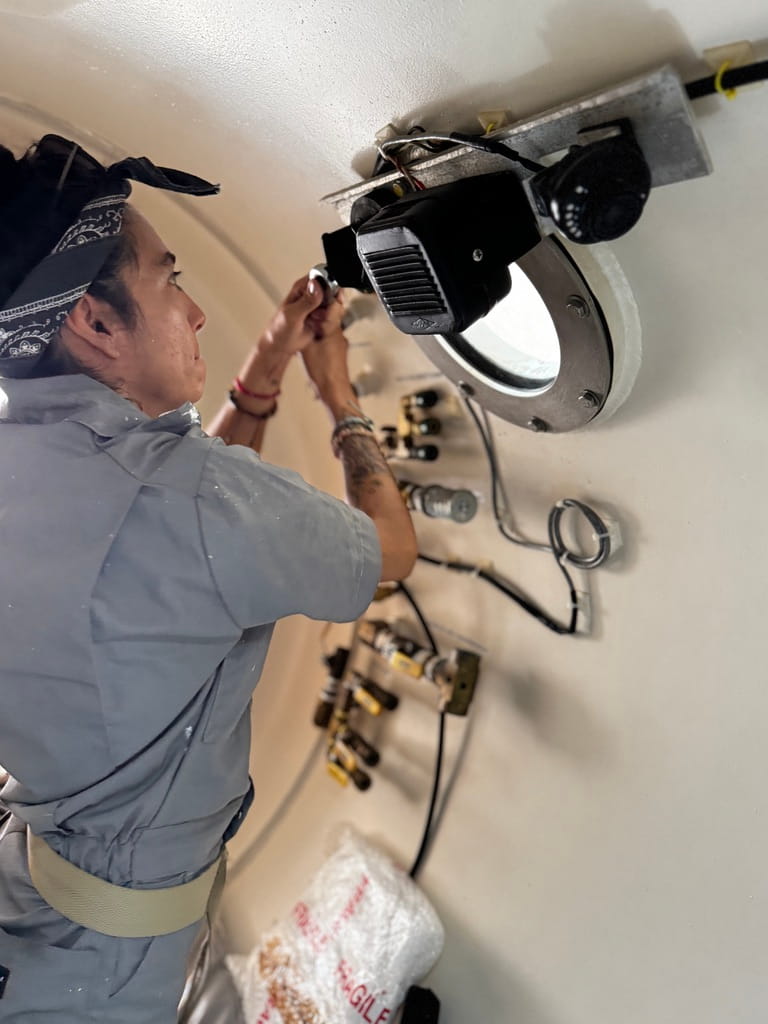
The Role of the IMCA-Certified Dive Technician
An IMCA (International Marine Contractors Association)-certified Dive Technician is a specialist trained to carry out:
- Technical inspection of diving equipment
- Fault diagnosis
- Preventive and corrective maintenance
- Functional testing of diving systems
- Verification of compliance with international standards
This type of certification ensures that the technician has the training and experience needed to work with equipment used in offshore and commercial operations, where the demands and safety requirements are much higher than in recreational diving.
International Maintenance Standards
Professional diving operations follow international guidelines established by offshore industry organizations. These standards determine:
- Maintenance frequency
- Inspection procedures
- Functional testing
- Service records and traceability
Compliance with these standards is essential to maintain equipment reliability and ensure safe operations.
The Difference in Mexico: Reliable Equipment and Specialized Maintenance
In Mexico’s professional diving sector, one of the main differences between safe operations and risky operations is the level of equipment maintenance.
Working with quality equipment and maintaining it under specialized technical maintenance programs helps ensure:
- Greater safety for divers
- Greater reliability in operations
- Compliance with international standards
- Fewer operational failures
Having a certified Dive Technician ensures that every component of the diving system has been properly inspected, tested, and maintained before entering service.
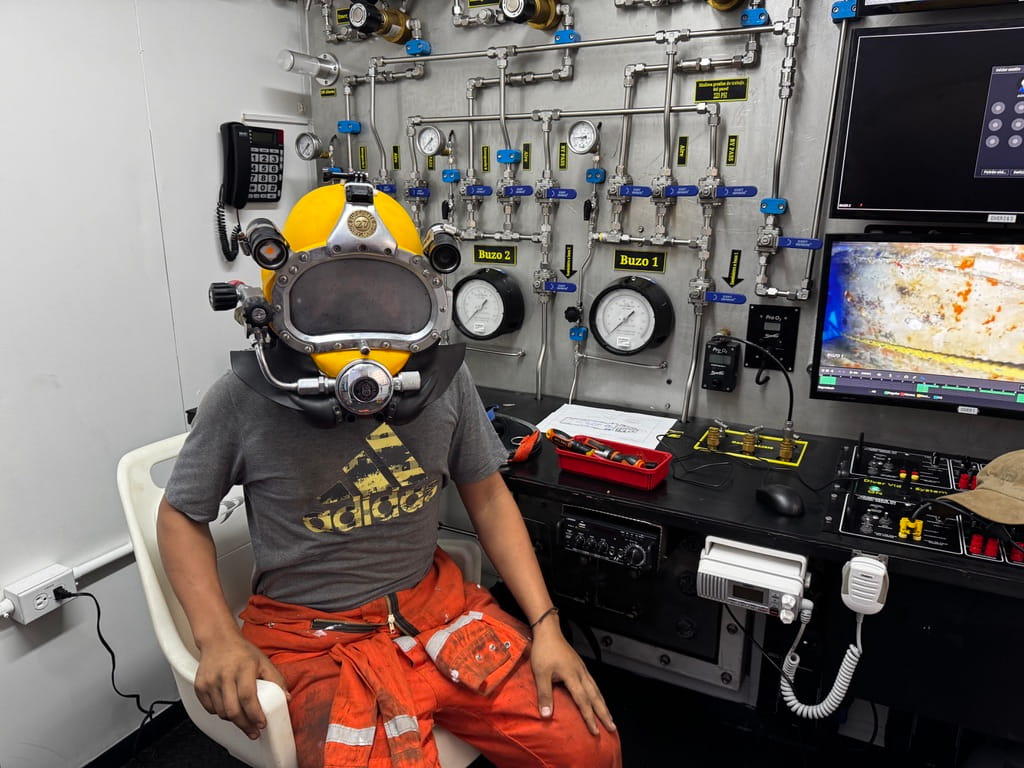
Safety First in Diving Operations
Diving equipment maintenance should not be seen as an expense, but as an investment in safety and operational efficiency. Every inspection, technical service, and preventive check helps reduce risks and ensures that divers can do their work with complete confidence in their equipment.
In professional diving operations, safety begins long before entering the water: it begins with reliable, properly maintained equipment.